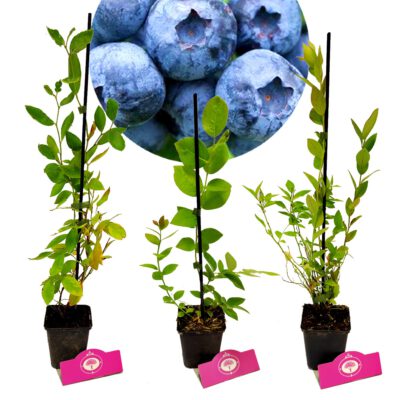
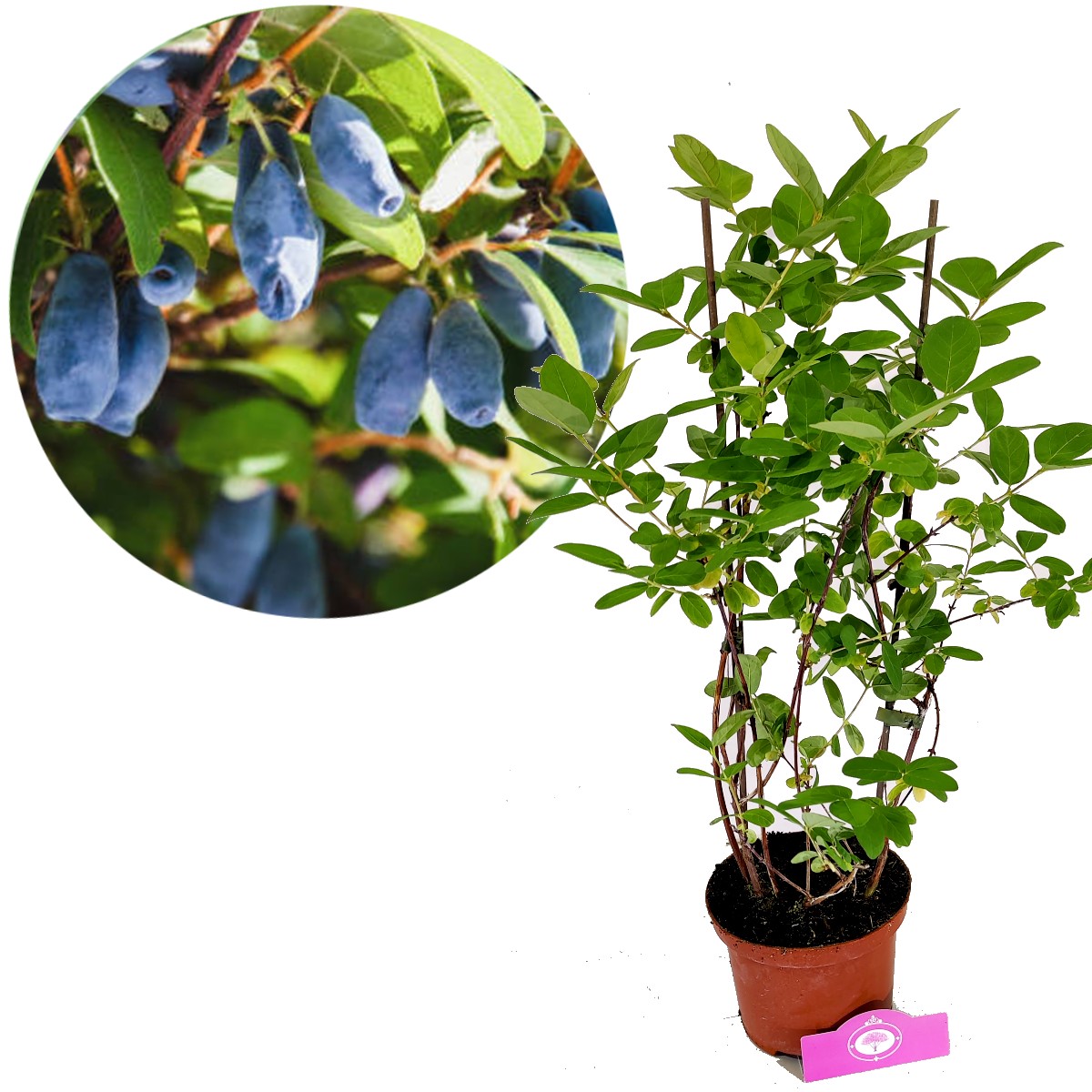
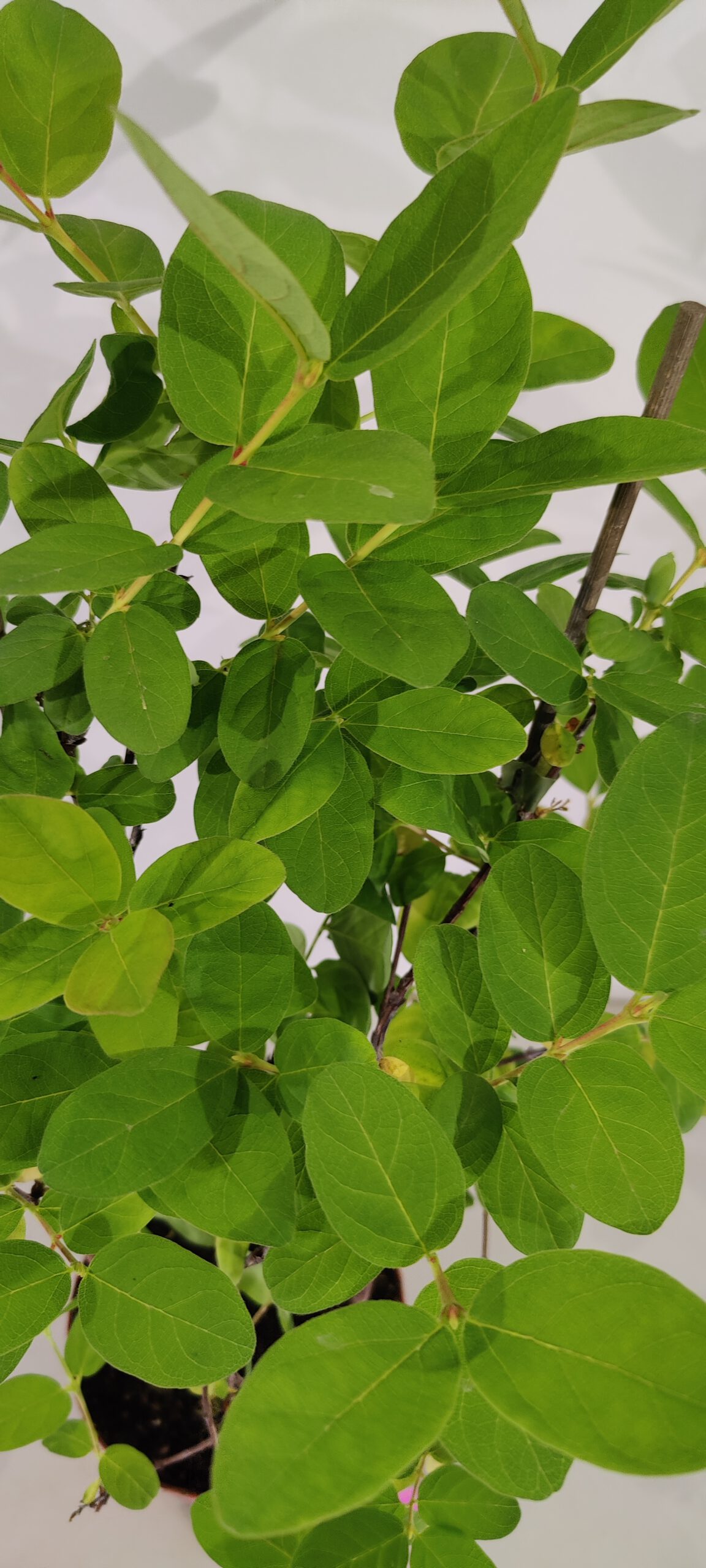
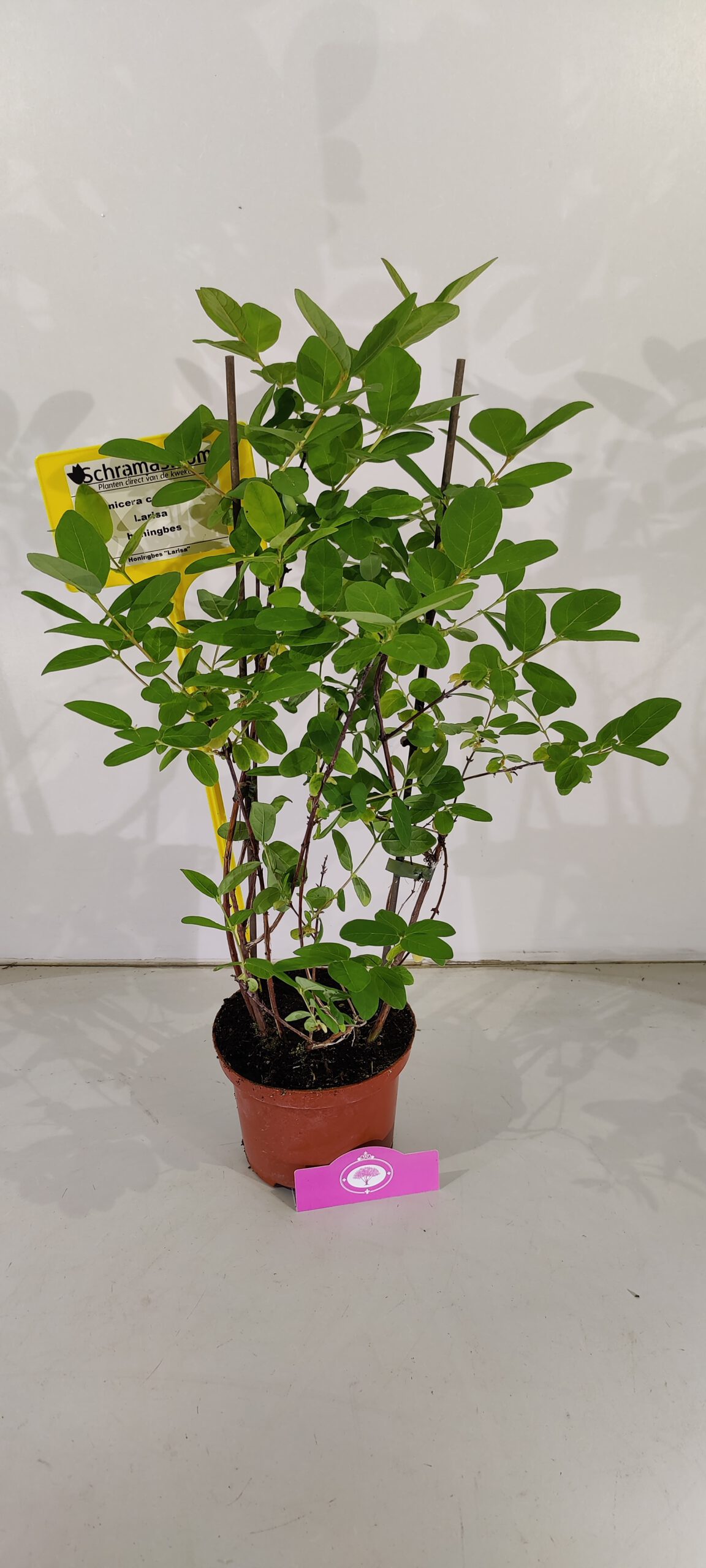


Vroeg dragende honingbes met langwerpige blauwpaars gekleurde vruchten en een frisse, aromatische smaak. Een sterke fruitstruik voor de tuin.
€ 21.99 including VAT
Op voorraad
| Quantity | 2 | 3 - 5 | 6 + |
| Price per piece | € 20.89 | € 19.79 | € 18.69 |
Your Price:
Total Price:
Free Free home delivery from €60,- Minimum order of €15!
Quick enjoyment: Inside 2-3 days in the house!
Growth tips included - get started right away
Fresh & strong: straight from our nursery!
Direct planting, any time of the year
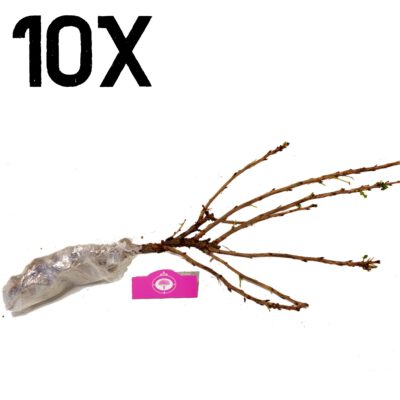
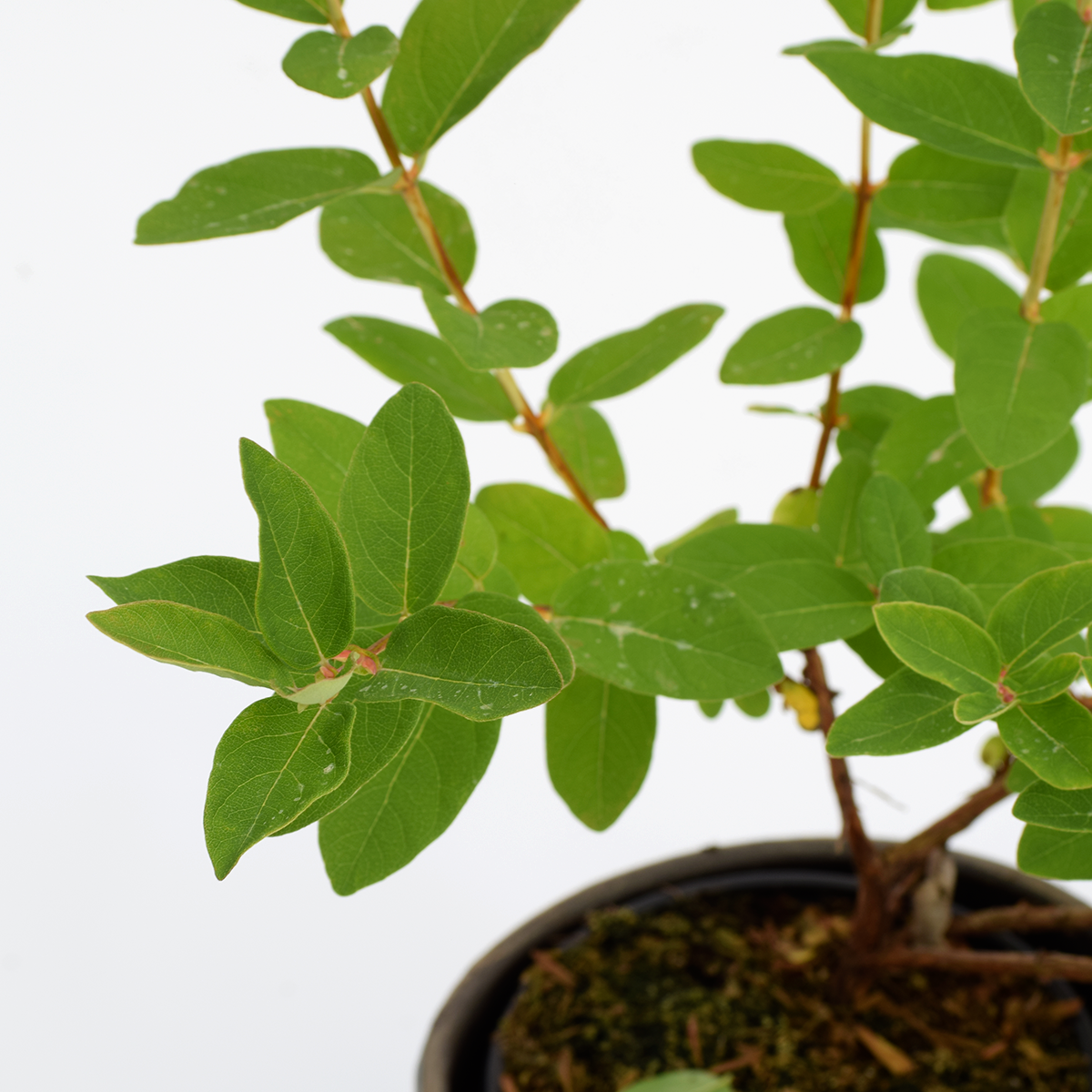
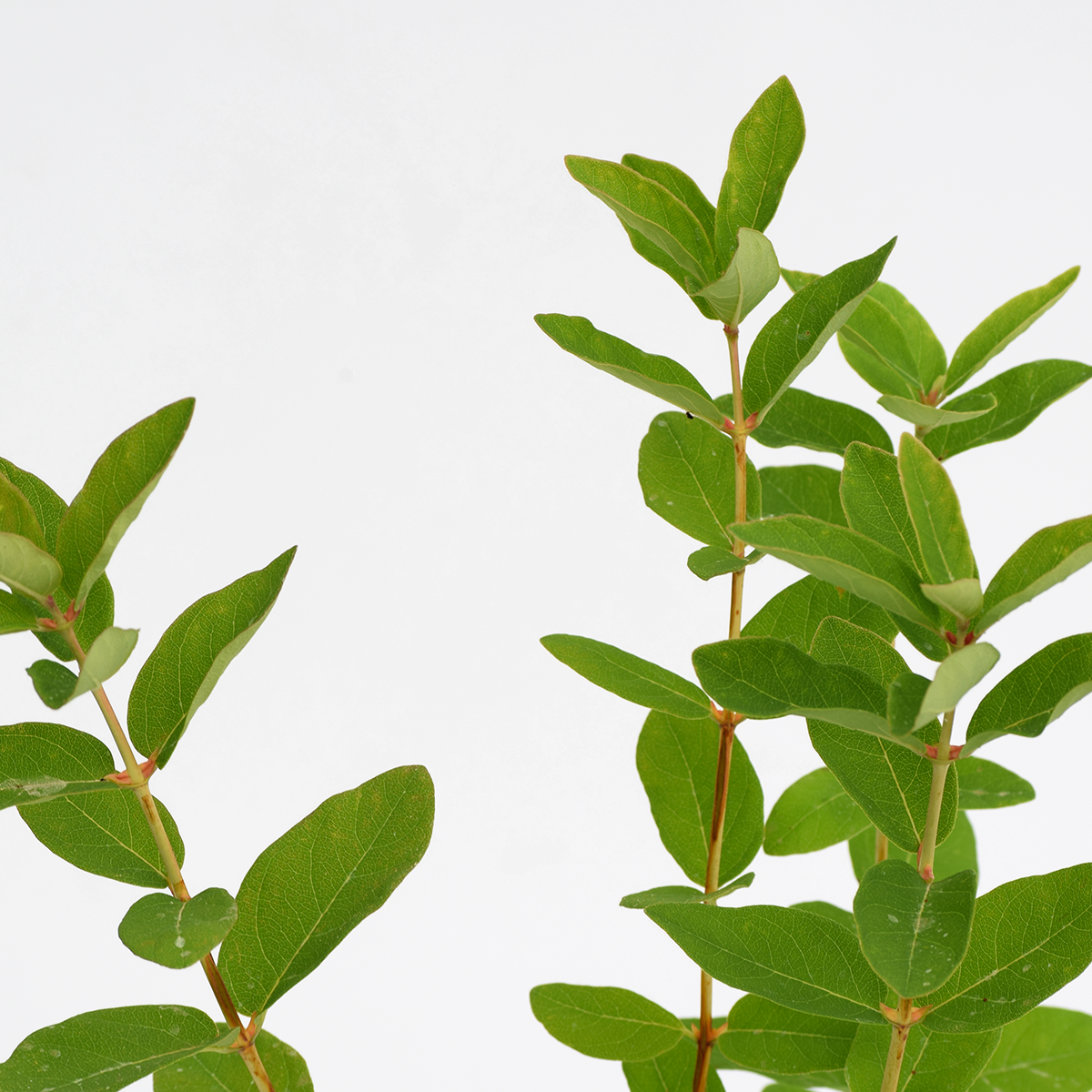
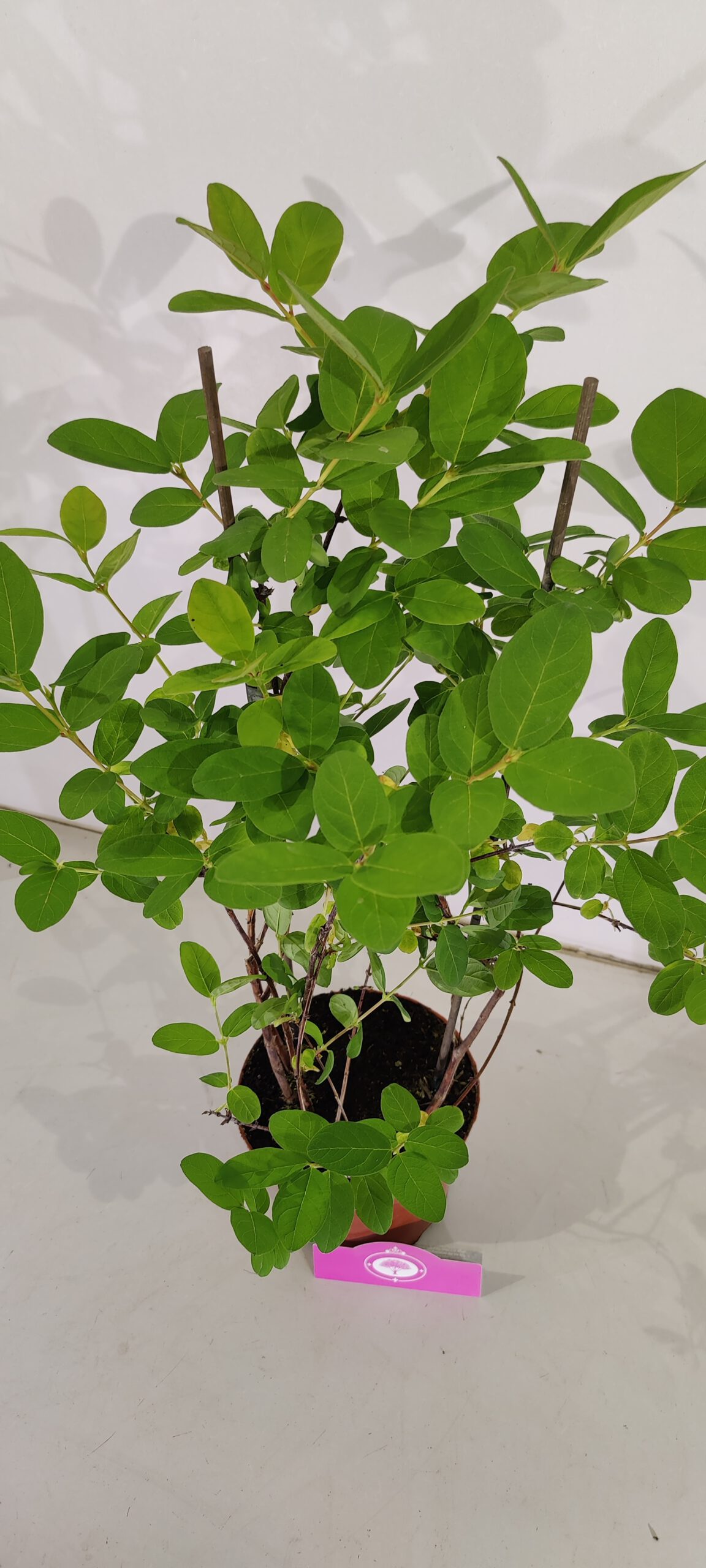
Lonicera caerulea ‘Larisa’ is een honingbes met langwerpige blauwpaars gekleurde vruchten. De friszure tot zoete bessen rijpen vroeg in het seizoen en vormen een mooie aanvulling op later zomerfruit. Deze stevige, bladverliezende struik past in de moestuin, eetbare border of een ruime pot.
Waarom kiezen voor ‘Larisa’?
Contents of this product
Plants are natural products. Height, branching and the number of leaves may vary from plant to plant and from season to season. We cannot guarantee that the plant will be in flower or bearing fruit upon delivery.
Groei, bloei en smaak
De struik kan circa 150–180cm hoog worden. De kleine lichtgekleurde bloemen verschijnen vroeg in het voorjaar. De vruchten zijn doorgaans in het late voorjaar of de vroege zomer rijp, afhankelijk van weer en standplaats. De smaak is fris en aromatisch en wordt zoeter als de bessen volledig rijp zijn. Ze zijn geschikt om vers te eten of te verwerken in jam, compote en desserts.
Pollination for a good harvest
It is best to plant another variety of honeyberry with overlapping flowering times nearby. Cross-pollination is important for good fruit set; two plants of the same variety do not provide the same benefit. Early-season bees and bumblebees help with pollination. Young bushes need time to develop before yields increase.
Location and planting
Choose a sunny spot or light partial shade with humus-rich soil that retains sufficient moisture but drains well. Honeyberries do not require particularly acidic soil, unlike blueberries. Moisten the root ball thoroughly, plant at the same depth as in the nursery pot and water. Avoid a hot, dry spot where the soil dries out quickly.
Water and maintenance
Water during dry spells, particularly in spring whilst the fruit is developing. A layer of mulch helps to retain moisture in the soil. Prune young plants sparingly. After the harvest, remove dead, weak or crossing wood, and gradually rejuvenate older bushes by cutting back a few old branches low down. Retain sufficient new growth for future harvests.
Winter and harvests
The honeyberry is very hardy and loses its leaves in winter. When grown in pots, protect the roots from prolonged severe frost. Wait to pick the berries until they are fully coloured and ripe on the inside; a blue skin alone does not always mean that they are already sweet. If necessary, protect ripe berries from birds using carefully stretched nets.
| Weight | 2 kg |
|---|---|
| Dimensions | 100 × 28 × 14 cm |
| Flowering time | |
| Growth height | |
| Light requirement | Half-shade, Full sun |
| Pot size | |
| Specifications | Edible, Hardy, Self-pollinating |
Straight from our own nursery.
A passion for plants that has spanned generations.
A focus on quality and reliable planting stock.
With care for people, plants and nature.